Frank Slootman on Focus, Performance, Bureaucracy, & Success | The Knowledge Project Podcast 173
What this covers
This is an interview in which Shane Parrish questions Frank Slootman on how he runs companies, drawing on his years as an executive. It opens with what a new chief executive should do in the first 90 days: assess whether the right people are on the bus, find which functions work and which don't, triage what needs immediate attention, and only then pursue incremental progress. From there it moves through trust in a performance-based culture, the limits of the "family" metaphor, and how to keep a growing company focused. Slootman cites Salesforce and Google as organizations that call themselves families and still lay off thousands.
The middle stretch is about focus and friction. Slootman argues that resources spread thinly across many projects produce slow, small results, while a team given half its resources for one or two priorities moves fast. He says large companies build their own bureaucracy and entropy, and that the remedy is constant prioritization and saying no. For scale he proposes product teams run by general managers, set against a monolithic functional structure that turns people into cogs. The conversation also covers preventing complacency once people reach average competence, recognition from the CEO as a reward beyond money, and the usual tension between sales, which wants customization, and product, which wants focus. He says a CEO should join customer calls to find out where the problem really lies.
The final third looks forward. Slootman says leaders wrongly assume the world continues linearly, so companies must prepare for transformation. On AI, he is optimistic about richer proprietary data and sharper business questions, with insurance claims as his example. He also warns about realistic synthetic avatars and voices, and criticizes social media for distorting how people perceive reality. The closing sections cover how he handles mistakes, including admitting his own openly to enable fail-fast correction, and how he defines success.
Slootman argues that organizational excellence requires uncompromising standards on behavior (not performance), rapid decision-making in the first 90 days, and a culture of meritocracy and accountability that is incompatible with family-style organizational thinking.
- Behavior is a choice and should have zero tolerance; performance deserves time and mentoring
- The first 90 days set the leadership brand through visible action on obvious problems
- Culture is set by leadership standards and tone—without high standards, organizations drift into mediocrity and entropy
This asset isn't compiled yet
You're seeing its claims, ranked. Compile it to build the argument threads, weight them, and check each claim against your library — the full view.
Hidden behavioral problems in organizations—like abuse, harassment, and egregious conduct—often remain invisible to leadership because employees fear retaliation, distrust management and HR, and don't report issues; discovering these requires proactive inquiry and evidence-gathering beyond direct visibility.
“I got tipped off by uh an employee of my former company that said luck you know that office over there is a complete you know disaster and uh because they knew people there and you know how sales people are all right everybody talks doesn't matter what company you're in um and then you know we started you know basically peeling away the layers and all of a sudden you know you come across you know really bad situations abusive situations you know harassment all these kinds of things uh because sometimes it's just not visible it's happening people don't like to talk about it you know they're worried that they're ratting on people and they don't want to go to their manager because they don't trust their manager”
AI could create realistic avatars and voices that are indistinguishable from real people, enabling extraordinary opportunities for abuse; this is a potential dark side of AI.
“the fact that we can create avatars and voices that you will never be able to distinguish from from real um you know How's that gonna go right you can see the uh the opportunities for for abuse becoming extraordinary”
Larger companies create entropy by naturally accumulating processes, products, and initiatives until they become their own worst enemy; fighting this requires constant focus on prioritization, elimination, and saying no to things that don't meet a high standard.
“seems like there's a natural entity entropy that sort of builds up right you start with one thing it becomes successful and then you sort of expand your footprint and before you know it you have you know before Steve Jobs came back to Apple they have I don't know what was it like 20 or 30 different products the first thing he did was narrow the focus down to four key products”
A monolithic functional organization (where everyone reports through functional silos like engineering, sales, marketing) does not create the momentum of focused teams; this structure ensures every person is a small cog in a giant wheel.
“you don't do it do it through a large you know monolithic functional organization because now everybody is a small in a giant wheel and that's uh that doesn't create uh you know the momentum that you want”
Organizations must prepare for the inevitable need for transformation; the world changes (technology, customer perspectives, competitive dynamics), and the question is not whether transformation will be needed but whether leaders will recognize it in time and be able to execute on it.
“you can count on the fact that you will be confronted with a need for transformation because it happens to all of us and the question is will you recognize it will you recognize it in time and will you be able to execute on it these are all super big questions because you walk into a situation it works and then one day you wake up it's not working as well anymore the world has changed”
Humans have a linear attitude about the world—assuming things will continue as they are if repeated—but this is false; the world changes, sometimes dramatically, and leaders must be open-minded and aware of what is happening rather than assuming continuity.
“we have a very you know humans have a very linear attitude about the world in other words it's just going to continue as it is if we rinse and repeat and it will never change no it will change and it's just a matter of you know can you recognize it and can you do it in time”
Business-specific AI questions—like an insurance company discovering disproportionate bodily injury claims in a state and asking 'what's going on, will it happen next quarter, what might we do'—require human reasoning and decision-making; the system becomes an advisor providing real-time business insight.
“I want to ask very business specific questions you know yeah the insurance company may say Hey you know I have disproportionate you know bodily injury claims in the State uh compared to the surrounding states you know a what's going on B uh am I going to have it again next quarter see what might I do about it right should we just stop you know underwriting in this geography altogether which is what's happening in California right now and uh or or you know we obviously it's a pricing issue because how do we price risk you know uh is it a policy issue those are questions that you know God analysts will be launched on right because people would do their reasoning not the system um and uh you know I I find it almost intoxicating to think about that you you basically you know um the system becomes like a an advisor to you in in in literally in damn near real time”
Fail fast culture requires urgency around correcting mistakes; mistakes can become cultural moments where the organization learns what assumptions were wrong and what they should have been thinking.
“mistakes can become a real cultural moment like hey you know I really screwed this up let's unpack this and understand what were we thinking you know what were the assumptions that were wrong right and then you know that's a good culture because now everybody goes like look I I can revisit my dumb decisions now all right in other words fail fast you know have urgency around your bonehead you know those issues that you made”
By visibly admitting his own mistakes, Slootman gives permission to the rest of the organization to admit theirs; this politically neutralizes the idea of making mistakes and creates space for fail-fast correction.
“when I do it you know it's basically now it gives permission to everybody else to do it I I'm basically politically neutralizing you know the idea of making mistakes because making mistakes everybody who makes decisions will make mistakes”
One reason high-standards cultures are successful is that they elevate the baseline standard; leadership reinforces high expectations and other people follow because they see this as the right way; cultures without this leadership become like the California DMV—slow, substandard, and hellish.
“high standards goes back to the insanely great uh Steve Jobs I mean he he had some really hard time dealing with with mediocrity in in any you know in any realm and uh it's very hard to live with by the way because Steve was super hard to live with I mean everybody was a and didn't know people's names and all that yes I know it's hard to live with and personally I'm not that way by the way I know I've known three people that way at all uh but at the same time you know the leadership needs to really reinforce we have very high standards and then other people will want to follow that okay they will they will do it because they feel like that that is the way that is the right way leadership sets tone sets expectations and if you don't do that yeah you become the California DMV the worst goddamn place in the world to try and get something done you know and uh so that's that's the lack of leadership you know people go slow they go substandard I mean it's just a hellish world”
As companies grow larger, focus can be maintained by creating product teams with general managers responsible for specific verticals, product lines, or channels; these teams can own their domain, declare victory monthly, and maintain focus despite company-wide growth.
“when you get bigger as a as a company right it's really about you will be multi-focused and you will be multi-purpose but you have now way more resources you can you can and we often have done that by creating um you know product teams with general managers on them that that were measured you know on the progress you know against their targets right so they they could really go after their targets for their vertical industry or their product type or their Channel they could own it they could they could declare victory at the end of the month”
Most people in the organization have their heads down and are in pattern/mode; the CEO must keep their head up and aware of what is happening in the broader environment while others are focused on execution.
“it takes many forms some things are incredibly disruptive you know some things are um you know are marginal um so that's you know by the way the rest of your organization will not have this posture because it got their heads down they're very much in a pattern in the mode so that means that you really you don't want to have that that mode about you as the CEO as a leader you want to be basically you make everybody else work you got your head up when they have their head down”
With AI, data will be massively enriched and contextualized; organizations will be able to ask harder and harder questions of their proprietary data and get better and more valuable answers; the relationship with data will be catapulted into the future.
“we now have opportunities to to massively enrich and contextualize you know search you know uh searches for data so I really see what data is going to just get catapulted into the future here just just unbelievable we'll be able to ask harder and harder and harder questions um of our own proprietary data and get better and better and and and more you know valuable answers”
Content generation is what everyone is talking about and finding cool, but AI will have impact in medicine, education, and many other domains; the full scope of AI's potential is not yet imagined.
“obviously content generation is is what everybody's looking at and they find it very cool under this you know um but how is it going to work in medicine how's it going to work in education I mean it's just uh it's just it's going to be a renaissance you know in in intelligence and Computing and and the how we mobilize data for for purposes”
To assess whether a sales or product problem is the root cause of underperformance, the CEO must get directly involved in customer and prospect calls; secondary or tertiary information is unreliable, and only firsthand experience with the marketplace provides clarity.
“I'm I can't tell you how many uh customer slash Prospect calls have already been in this week it's Friday you know and there were numerous levels to talk to seven or eight Banks this week you know the cios CEOs look I I experienced reality the way the sales people are obviously a little bit differently because I talked to higher level people and organizations but you know I experienced things firsthand what you don't want to do is sort of you know rely on information you know because you just get a second hand third hand fourth hand and you don't know whether you're dealing with a feeble person that has no fortitude or whether you're dealing with a real issue”
Most people are afraid to defend decisions or are hesitant to confront difficulties; getting organizations to say 'when there's doubt, there's no doubt' and maintain a high bar requires unwavering uncompromising culture, which is hard because people naturally want to lower the bar and avoid confrontation.
“you can get people to say no you know when there's doubt there's no doubt you know have a higher bar you know have high conviction that's hard you know trying to get your organization to get to that level you know of of you know basically the very unyielding uncompromising that's hard because most people want to lay the bar Lower and you know not rock to boat not be confrontational because all that stuff is hard”
Social media has created fake news and distorted reality perception; people use social media to inform their understanding of the world, which Slootman does not recommend; while social media has benefits, it has enabled broad influence on how people experience reality.
“social media create the fake news phenomenon because you know so many people use social media to inform their reality which I don't recommend that by the way I always tell people turn that off man because you know you're distorting what you how you really should be interpreting uh thanks and and I don't like that uh but social media had a lot of good things uh you know obviously but it also had you know the the flip side you know is that you know people uh it became very very powerful influencing people in terms of how they experience the world”
The first 90 days in a new company should focus on assessing whether the right people are on the bus, evaluating which functions are working versus not working, identifying things that need immediate ASAP attention, and then prioritizing and triaging so the organization can function and operate on a solid footing before incremental progress.
“you zero in on each and every time and that is you know are the right people on the bus you know are there you know are there people that need to get off the bus um you know we're inspecting the functions are they working are they not working do people think they work you know what what can we see very very quickly and then you start prioritizing”
Companies like Salesforce and Google present themselves as family-oriented but ultimately lay off thousands of employees, proving that the family metaphor is not genuine and that business fundamentals (not sentiment) determine personnel decisions.
“companies like Salesforce and and even Google come to uh to mine but you know in the end they're laying people off too by the thousands okay so I guess it it's not family after all”
Organizations must constantly have prioritization conversations based on the principle that you cannot do everything, so you must choose; not choosing is the worst thing you can do because it results in compromising everything equally.
“we constantly have conversations you know around prioritization you know what what is we can't do everything so we have to choose and uh not choosing is the worst thing you can do because now you're compromising everything um so the question is you know we we use I use all kinds of different ways of trying to figure out you know what what is most critical”
When teams are distributed 100th of their resources across too many projects, they move slowly and achieve little; when focused and given 50% of their resources against one or two priorities, they move lightning fast because resources and focus compound.
“everybody gets you know 100th of the resources as opposed to getting you know 50 of their resources things all of a sudden go a lot faster when you have to focus and and the resources and the provisioning things really move right uh whereas if you have to share with 50 other things and nothing moves now”
Larger companies become their own worst enemies not because of external market forces but because they introduce bureaucracy, undue process, and friction that slows decision-making; this is something companies do to themselves.
“larger companies they they tend to become their own worst enemies it's not what the world does to them it's what they do to themselves and introducing bureaucracy in other words undue process you know a lot of friction in terms of getting things done”
Most people reach average or slightly above average competence in their role and then experience complacency; preventing this requires clear standards, managers and teams that drive to higher standards, and systems that prevent people from coasting.
“the natural state for most people is to get reasonably good at something like driving a car and then there's a bit of a complacency that sort of sets in it's like I get to average or slightly above average in my job and then I sort of like let off the pedal how do you prevent that well um obviously you know their relationship you know what the people around you your team and and your managers like you know are people driving you to higher standards or are they not”
Slootman emphasizes recognizing and celebrating great work; great people need to be singled out and rewarded in every way possible (not just money but recognition, celebration); recognition is particularly rewarding from the CEO personally, as it signals organizational importance.
“I'm big on recognizing you know great work I think great people need to be and need to be celebrated and rewarded and singled out in in every way possible”
The relationship between sales and product is naturally tense because sales wants customization and features to close deals while product wants standardization and focus; this tension must be managed aggressively and product must view sales issues as product problems (not sales incompetence).
“there's there's tension there uh sometimes healthy sometimes you know not as healthy and uh you know it's it's a relationship that has to be managed very aggressively certainly want a product or organization that really views the reality of sales is their problem okay as opposed to well you guys are just not smart enough or whatever um and they're interested in all kinds of things that have nothing to do you know what the sales organization's succeeding”
In geographies like Europe where separation is difficult, expensive, and time-consuming (due to labor laws), the opportunity cost of a bad hire is enormous, which justifies spending even more time on hiring rigor and reference work.
“especially in places like Europe where so difficult to separate and so expensive and so time consuming the opportunity cost is enormous you really you know need to do the work right”
Search technology felt revolutionary 25 years ago but now feels old because it matches on strings, is stateless (remembers nothing from one search to the next), and has no context; the shift from search to AI is massive because AI can contextualize and understand queries in ways search cannot.
“the biggest change we had until now was really the introduction of search right I mean it's not 25 years ago I mean I became a search junkie I still went to this day because I find it so empowering in terms of your relationship with data but search now feels old because you know it matches on strings uh it's it's stateless I mean it doesn't remember a damn thing from one search to uh to the next and it has no context you know if you search some snowflake you might get the weather you might get you know you might get the the social phenomena or you might get the company because it doesn't know it just knows the word”
Many fast-growing companies slamming hiring targets into bodies without proper evaluation is the worst thing they can do; slower, better hiring is preferable to fast, mediocre hiring because bad hires require course correction which is costly.
“I find that people uh Rush especially in fast-growing companies you know we have hiring targets and they're just slamming bodies and that's just it's the worst thing ever I'd rather hire you know more slowly but better than faster and I have to do a lot of you know course Corrections along the way”
AI is the most disruptive thing Slootman has seen in the world of software in all his years; it will create a renaissance in intelligence and computing and how data is mobilized.
“it's one of the most disruptive things I've ever seen happening uh in in the world of software in all my years um you know of doing things”
AI will drive innovation and new employment, but also job obsolescence in certain functions and industries; this is creative destruction, a natural feature of capitalist economies, and while disruptive, economies have historically adapted well.
“The Innovation will derive a lot of uh a new employment we will also you know have a lot of uh you know obsolescence you know in jobs and even even functions and industries and processes but that's the nature of um you know of of a capitalist you know free economy creative destruction is just the nature of stuff and uh we do pretty well with that even though it can be disruptive”
Snowflake ties employee bonuses to company performance: the company must earn the bonus pool quarterly by hitting metrics before any bonuses are distributed; this ensures all employees understand the company's financial performance and share in the success or failure of the business.
“every quarter you know the company has to you know earn the bonus pool in other words the money that we're going to use for bonuses we have to earn it and we tell people how how we earn it exactly what the metrics are and you know we share all of that so they know hey none of us are going to get bonuses unless the company gets paid”
After the company earns the bonus pool, managers are given discretion to allocate bonus money to employees, but Snowflake instructs them not to peanut-butter it evenly; instead, there must be a clear bell curve showing high performers getting 2x-3x bonuses and underperformers getting zero, creating differentiation and signaling who is performing well.
“once the company owns it now we're starting to allocate the uh the bonus money to managers and departments and we just say look you use this money you know to send messages to all your people you know and uh in other words we want to see don't peanut butter it out there needs to be a bell Curt we want to know who was you know deserving of 2x 3x versus who is deserving of zero um so that we we see the full spectrum the bell curve if you will uh of people that are you know performing you know incredibly well”
VMware is another example of a product so strong that salespeople were largely picking up orders; once market bought into virtualization, the sales role became order-taking rather than selling.
“I mean we used to see that with with companies like VMware as well I mean you know once people were sold on virtualization I mean all they were doing is picking up orders right”
Interviews are notoriously unreliable for assessing hiring fit; people learn to present themselves well in interviews; the better way to assess candidates is to reach out to people who have worked directly with them to get color and texture on their actual performance and reputation.
“interviews are uh far less valuable uh not for all roles I mean there's roles where our interviews like for example in engineering I mean they're like they put them in front of a whiteboard and say here here's you know yeah write code that does this so so you you can you can very much you know test people's skills uh you know that way but you know in in in the other roles where you know um you know people become good at selling themselves right because they've learned that over the years and they they talk well they look well and they're very pleasant and they're getting along and all these things but the way to find out anything about people is to fully surround where that person has been okay”
The best way to learn about candidates is to contact people who worked contemporaneously with them in previous companies and ask for stories and color about their actual reputation and performance; this is faster and more reliable than external references.
“if they've been at company a you know you go find out who in my company was at company a while this person was there and let's go I'm gonna go ask inside the company first who knows this person because they you were a contemporary and you know what was that person's reputation and and so on you'll learn a whole bunch of things very quickly you don't even have to go outside of your own company to uh you know to find out and then you see if if consistency you know are of information is is manifesting”
Early adopters and mainstream customers buy differently; mainstream customers assess value, risk, and fit differently than early adopters, which is why late adopters exist—they have not yet bought because they buy based on different criteria and require different approaches.
“the early adopters you know and in Jeffrey Moore style of of thinking uh are very very different than you know when you get across to Chasm and you're dealing with a more mainstream customer um because they they buy differently you know I people ask me you know why why do you think this is sort of a late adopter I'm like well because he hasn't bought yet that's why he would have bought already but he was an earlier adopter okay so by definition he didn't why didn't he okay so he has different ways of assessing and thinking you know about the value about the risk”
When references are consistent across multiple people, the candidate gets high conviction; when references conflict or tell concerning stories, the hiring decision is to pass.
“you you really want to hear from people that have directly worked with them and say what was the experience like it doesn't have to be an indictment type of conversation it's like look I just want to know more about this person how did this go you know tell me some stories you know because now now you start to really get color and texture around a person as opposed to the sniff test which is what an interview really is and that the thing is you're going to learn you you're going to get great conviction now because you're like you know what I'm I think we're really on to a great person or you're like wow you know I'm glad I think these calls because you know we were we were this this was not trending you know correctly at all”
Natural language interfaces and text-to-SQL are becoming table stakes; they make data interrogation much easier than dashboards for most use cases; this enables more people to ask questions of data without needing data engineers or analysts.
“the whole text to SQL has become you know table Stakes I mean you you can you can interrogate you know uh you know a sales force data on snowflake you know what just just text to SQL and it's really nice by the way I mean oh it's a whole lot better than using dashboards uh for for the most part not all of it but for the most part”
Great sales people cannot sell a bad product, but lousy sales people can sell a great product; therefore, sales problems are usually product problems, but in Silicon Valley, there is a bias to blame sales first because investors have invested in the technology and no one wants to face the demon that the product is the real problem.
“the thing about sales is that you know great sales people can't sell about product right but lousy sales people can sell a great product okay and that's that's very important because you know oftentimes in Silicon Valley they think that sales is the problem and I'm like no because if you had a great product you know even an average or below average salesperson will be able to sell it right and uh typically sales problems are are product problems but typically that's not the the initial assessment because you know you don't want your baby to be called ugly and you know investors are on the table have invested in your technology so you don't want to openly you know sort of uh face your demons and and really confront things the way they really are”
Hiring sales people from very successful companies can be problematic because they may have never actually sold; they may have just been riding the momentum of a strong product, and when they move to a company requiring real selling and fighting, they lack the skills and hunger needed.
“you hire people from a very successful company um they've never really sold because they were just riding the momentum you know what I mean and then they get into a company where they do have to really sell and they do have to campaign and they do have to fight and they have no idea because we didn't we never had to do that before right”
The acceleration of technological change means people now need to shift gears more than once per year over their lifetime, whereas historically they could learn one profession and it would last a lifetime; the pace of change is moving much faster.
“I mean we used to learn one profession and that would last us for our lifetime now you need to shift gears more than once a year lifetime because it's moving so much faster right than uh anything we've ever seen”
Businesses should not be thought of as families; the family metaphor is flawed because in families you cannot fire members despite wanting to and must tolerate dysfunction. Instead, businesses are better analogized to professional sports franchises where you assemble the best players for a mission, friendship is optional, and relationships are based on shared purpose and mutual contribution to the mission.
“I don't think a business as a family um because you know um unfortunately in a family you can't fire your family even though you sometimes want to um you have to tolerate them and deal with them and off sometimes in the most egregious way that is just the nature of families I mean all the dysfunction that comes with it um but in in business it's more like being a professional sports franchise right here you're assembling the best players and uh you know we may be friends but we don't have to be friends because we're not coming together on the basis of friendship we're coming together on the basis of mission”
When a new leader enters an organization, everyone watches not just what you do but what you do not do; if you do not move on obvious behavioral problems that everyone else sees, your leadership brand is immediately compromised because you appear blind, hesitant, or tolerant of unacceptable behavior.
“when you come in as a new leader everybody's watching not just what you're doing what you're not doing and uh so if you're not moving on things that people that everybody is seeing right and uh then you know your your leadership brand is already in question because you know apparently you're blind and apparently you're hesitating uh or you're tolerant of of behavior that you shouldn't be tolerant off”
Trust in a performance-based culture is built by demonstrating fairness—that decisions are based on behavior and performance standards, not personal preference—and by treating people equitably when they transgress those standards.
“people need to believe that you're that you're fair that you that it's not just personal preference right that you're not doing things because oh I don't like your haircut or whatever it has nothing to do with that it has to do with you know um how do we come together how do we behave as a group”
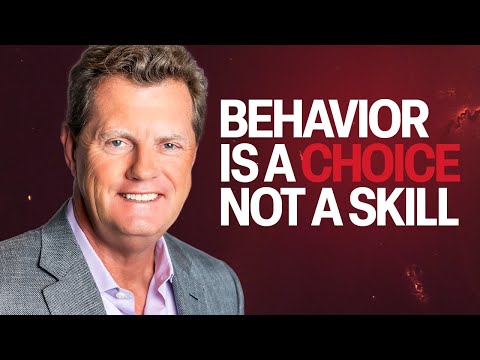
Behavior is a choice, not a skill set, which is why poor behavior should be addressed immediately while performance issues should be given more time to develop.
“we very quickly separate on Behavior you know performance is something that we will give more time Behavior we won't and that's because behavior is a choice it's not a skill set”
Repeatable principles for entering a new company are: (1) look very hard at what is working vs. not working; (2) prioritize by separating functions that are barely functioning from those that work reasonably well; (3) go after cultural issues and egregious behavioral violations quickly; (4) separate quickly on behavior but give more time on performance because behavior is a choice.
“I look very hard uh at what's working what's not working and in other words you know some things are uh not working at all uh some things seem to be working reasonably well and then they're sort of the stuff that you're sort of humming and highing on um so obviously you prioritize the I mean I've I've sort of separated with people very very quickly because I think the function the functions that they were responsible for were barely breathing”
A repeatable formula or algorithm applied mechanically to every company is simplistic thinking that will lead you astray; instead, you must observe situations like a five-year-old would, never having seen it before, and react accordingly.
“you got to be very careful uh that that you don't get into a rinse and repeat mode where you know you just think you have a formula or an algorithm and you can just apply it over and over again that's just really simplistic thinking and it will lead you astray because you kind of try to observe things in a way you know like a five-year-old would they've never seen it before and and how are you reacting to it”
To maintain youth, innovation, and audacity in growing companies, leaders must actively communicate and reinforce the message that 'hierarchy and rank mean nothing to us'; this prevents the creep of formal hierarchy and keeps the organization from aging.
“I often talk about this in my communications you know to the companies like hey you know we we have to hang on to our youth our Innovative muscle our audacity our daring and uh you know I always say look you know hierarchy or church mean nothing to us”
Once behavioral problems are discovered, leaders must act at lightning speed to remove them because the speed and decisiveness of action directly shapes the leader's brand and organizational culture; tolerating bad behavior signals acceptance and invites more.
“you want to get bad behavior you know out of an organization fast because that that is your leadership brand you you start tolerating that you know the there is there's no end in sight to what you're going to have”
Alan Mulally framed choosing behavior that conflicts with organizational standards as equivalent to choosing not to be part of the organization; this captures the idea that behavior is a choice that either aligns with or violates organizational belonging.
“Alan malali put it to me this way he said uh when you're you're choosing a behavior that's not the organizational behavior that's desired you're choosing not to be a part of the organization I thought that was a powerful way to think about it”
Without a leader actively filling the cultural void with clear standards, subcultures will form around strong personalities in divisions or regions, and the organization will become a grab bag of competing cultures rather than a unified entity.
“your uh you're you're separating and you're in you're in violation of the the driving culture is really important because if you don't um you know other people will will fill that void right and you get subcultures in a city or a division because strong personalities can do that so unless you are you are filling that void right um it will get filled by something or somebody else and before you know it you know you're just a grab bag of stuff”
Steve Jobs' standard of 'insanely great' was a decision filter that eliminated products and initiatives that didn't meet an exciting, world-changing threshold; this approach created energy, focus, and urgency by demanding people be inspired by and in awe of the mission.
“He had a standard call to insanely great which you know I remember at the time there was kind of a thing in Silicon Valley um so if it didn't meet that standard you know it would get scratched really really quickly if it wasn't you know incredibly exciting and world changing and all that you know we just we just couldn't be bothered to you know even have that on the pallet and and work on that so I think that's a great way to be by the way to just demand to be inspired and be in awe you know uh of the nature of the mission and what we're trying to do because that's that gives energy that gets life that creates excitement it creates Focus uh it creates urgency”
To fight bureaucracy, leaders must communicate that the organization operates through influence, not hierarchy or formal authority; ideas are judged on merit regardless of title or organizational level; this is an extreme meritocracy where the quality of thinking, not position, drives decisions.
“hierarchy or church mean nothing to us you know we operate through influence if you can convince people great and if you can't well then you just can't it doesn't matter where your title is or what organization you come from or who your boss is so it's it's really it's an it's an extreme meritocracy it's really your ideas are judged on their Merit you know not on you know where they're coming from”
Slootman had a successful company acquisition where they became larger than the next 10 competitors combined, but when people attributed this to luck, it activated his drive; this example illustrates how skepticism or dismissal of achievement fuels the motivation of maladjusted, ambitious people.
“I had a we had a great accent with their domain back in 2009 and uh you know we were very proud of the work we did because it was a startup it was just you know we didn't have product Market fit for the longest time and it became uh you know we we were a bigger accident than the 10 next the next 10 competitors combined all this kind of stuff but then people started saying oh you're just lucky you know how that goes right well you know that that just puts on the afterburners uh you know for me it's like I'll show you luck”
Slootman values people with attitude, a chip on their shoulder, and a burning need to prove something because these qualities drive continuous striving; he rarely uses the word 'pride' because pride signals profound satisfaction with the status quo, which is antithetical to the restlessness required for high performance.
“I I generally uh you know uh like people who sort of constantly are very very strongly aware of where they are versus where they could be you know I I I rarely use the word proud or Pride because that signals you know a uh profound happiness with the status quo and I don't have that you know because I'm always at odds with the status quo”
The mindset Slootman constantly holds is: 'We are here, but we could be there; so what gives? How do we get there?' This is a permanent state of envisioning a future different from the current experience and asking 'If we could do it all over again, what would we do?' This keeps organizations continuously reinventing.
“we're here but we could be there so what gives how do we get there right so we're always envisioning a future that is different than the one that we're that we're currently experiencing if we could do it all over again what would we do right those kinds of conversations”
The goal of Snowflake's bonus structure is not primarily to punish underperformers but to ensure that top performers feel the gap between their compensation and that of average performers; this prevents the demotivation that comes from being treated the same as mediocre performers.
“I don't want the great ones feel like the treat the same way as people that are obviously not in good standing that that just that just you know that creates a that's not a performance culture”
Sales experiences the marketplace's reality first and most profoundly—the cold winds of competition, uncertainties, anxieties; the rest of the organization sits far from this reality and must adjust to accommodate what sales is experiencing, requiring constant communication and adaptation.
“sales experience is the reality of the marketplace the first and the most profound and the most profound way right the rest of your organization sits much farther away from the the cold Winds of competition and and some of the ugliness that happens and the uncertainties and the anxieties and all these kinds of things so yeah sales is harder which is why the rest of our organization needs to be in alignment and in support uh you know of them”
Slootman holds product teams to a high standard: they must make average sales people productive in a predictable manner, because if the product is great, even mediocre salespeople will be effective; this is a scalable model, whereas relying on brilliant salespeople is not.
“I do hold the product people to a very high standard because we have to make very average uh sales people uh productive in a very predictable manner that's hard and that's exactly right that is where the focus should be because if I have to hire brilliant sales people even though even brilliant sales people can't sell a lousy product there aren't that many of them so that's not a scalable model”
Slootman prefers hiring sales people who have been in real fights and competitive struggles because this breeds the skills, focus, and resilience needed for selling in tough conditions; people trained in ease are unprepared for difficulty.
“I like to hire sales people who have really been in fights because that breeds you know the type of skills and focus that you really want to have rather than people that are good at uh you know quoting and picking up orders you know”
Slootman tells his team 'If I can't sell it, I'm not expecting you to sell it'; this signals shared accountability and ensures the CEO is not insulated from marketplace realities; it models the behavior he expects from sales leaders.
“I always tells people as if I can't sell it I'm not expecting you to sell it okay so if I if you're going to get your nose blood I'm going to get my nose bloody right”
Leaders must press their case actively in front of customers and in the marketplace with confidence and fortitude; if salespeople see the leader doing this, they will emulate the behavior; passive approaches (dashboards, videos) will result in getting killed.
“I'm very aggressive in terms of uh really uh pressing our case in front of you know the customers in the marketplace because I need my organization to do the same thing if I'm not doing it you know then then you know they're not either or they're not going to go at it with the same confidence and fortitude so leadership is important there you want to set an example that people go like oh I guess that's the way it is then then you know I should be too so you you bring forward but you know people see me talking in front of a customer they go and they see the customer react and they see the customer ask questions they're like hey I can do that too okay now there's no better learning than right in front of where the action uh happens”
Slootman has made mistakes repeatedly on the same topic; what matters is that he continues to correct until he gets it right; this persistence is a powerful message that willingness to confront demons and correct course is more important than being right initially.
“I said look you know I make I may make mistakes again and again on the same topic you know I said but the one thing I will tell you is I won't stop until I get it right okay and I will in other words I'm willing to say again and again that I screwed it up but I won't stop you know until we're in the place that we uh that we need to be”
Slootman does not think about success as a concept he regularly contemplates; he avoids words like 'success' and 'legacy' because they can poison thinking with self-absorption.
“you know um it's just not a word that you know I'm constantly thinking about or you're thinking about that you know at all um you know I'm I'm by the way your thinking gets sometimes poisoned by the type of words that you use and the concepts that you're preoccupied with I mean people sometimes ask me what's your Legacy Legacy is not a word that I use okay um it's not I I find that very sort of a lot of self-absorption around that stuff”
The right people will love high-standards, intense, fast-moving cultures; people who are not a fit will self-select out, saying 'this place is too intense for me, I need to pick up my kids at 4pm'—this is not a judgment on those people, just a recognition that different cultures fit different people.
“the right people will love it and some of the wrong people will go like you know what this place is too intense for me I can't handle it you know I need to yeah the kids from school at four or four pm I get that right but it's like culture it doesn't mean that people are bad you know when they don't like the culture it just means that they are not a fit they're just different”
Maladjusted people—those with a disparity between where they are and where they want to be, driven by a need to prove something to others—are sources of ambition and drive in organizations; perfect balance produces complacency and lack of motivation.
“where does Drive come from where does ambition come from you know it is a lack of adjustment because if you were a perfectly balanced person you wouldn't have any ambition you're so happy with where things are you barely have a reason to get up in the morning you know um but you know male adjusted people they they just have this this disparity between where they are and what they want to do and what they want to prove”
Slootman views his mistakes as cultural moments and teaching moments; they are opportunities to demonstrate that he is a fast course corrector; what is devastating in organizations is when people defend bad decisions rather than correct them quickly.
“I I use Mystics uh as uh I don't want to say not though right word maybe but it's like a an up and it's a cultural moment and a teaching moment because uh it's actually good for me to go oh I really screwed this up because it sort of you can do really well in the world by being a fast course corrector what is devastating in organizations is when people defend bad decisions”
Consistent execution in sales means every line of business, channel, and geography shows up and delivers every quarter; this is achievable through culture and expectation, and organizations that can execute consistently outperform those with uneven sales distribution.
“I'm a stickler for consistent execution in sales organization meaning that every quarter everybody shows up you know what what we can't have is like well yeah the back quarter but I'm going to do better next quarter I don't want that okay we need to run ourselves and our organization in such a way that we show up all of us every single period you know every single line of business Channel geography and and so on right and if if that becomes the culture the expectation and the reality yeah you're going to do way better than the rest of them because you know sales tends to be uh you know very uh unevenly distributed thing”
A great sales organization requires full alignment across the entire company; every function should view itself as supporting sales, because sales is 'the tip of the spear' and the rest of the organization is 'the wood behind the arrowheads' experiencing the reality of the marketplace.
“you get much better sales organization when you have full alignment um in the entire company so that everybody works you know for sales effectively we always say that we're all working for sales here because they're the tip of the spear and the rest of us are really the wood behind the arrowheads you know that's sort of the way I characterize the relationships between sales and and the rest of the company”
Slootman tells sales leaders that having a quarter far ahead of plan is not a problem unless there is a 'shitty choir' (weak follow-through); inconsistent execution makes the leader untrust worthy because future performance cannot be relied upon.
“the expectation is you know I don't care how far ahead of plan you are you have a shitty choir that's not a problem with me I can't build on you I can't trust you I can't expect that you're going to deliver”
A good quarter is one where you exceed your numbers AND set yourself up for the next quarter; sales leaders must think long-term and strategically about the foundation they're laying, not just hit the current quarter's target.
“we always say a good quarter is one where you exceed your numbers but also one where you set yourself up for the next one you got to do both it's not just about making the quarter you also have to lay the foundation for the next one and the rest of the year so you got to think much more long term much more strategic you know about your business rather than I'm just trying to hit a number for the quarter”
Slootman works to make partners wildly excited about being partners; success includes partner success and their willingness to work with him repeatedly.
“in my partner ecosystem I want them to be wildly excited about being our partner they're succeeding with us right so so we we try to make all parties uh you know succeed in their own worlds you know with us”
Young or junior employees who behave badly may be salvageable through a reset conversation where you ground them back to their upbringing and personal principles, especially if their poor behavior was learned from the surrounding environment and bad management influence.
“I've had situations especially with young people where hey we need to do a reboot reset come back tomorrow I'm sure your parents didn't teach you you know to behave this way and you can do better but tell me that you can and I've seen people come back literally over the weekend and be a different person because for whatever reason they were LED astray by you know my managers that just you know were inspiring that kind of behavior”
Employees initially find the quarterly conversation about bonus allocation and performance difficult, but they learn quickly because the conversation becomes sharper and more specific; during the quarter, managers keep notes on employee contributions, enabling credible performance assessments.
“in the beginning when when people have not lived this life before and it's very challenging for them it's like oh my God I gotta have a conversation like this about money and performance every single quarter every single person how do I do that well people get used to it because during the quarter they now start to have a different you know a much sharper lens um the work and how the work's getting done and they keep notes and they make notes and then they can really give a credible message back”
Employees want to aspire to higher performance and will ask 'What do I have to do to earn 150% of my bonus?' but managers must force this conversation to happen by creating structures and consequences around compensation and recognition.
“employees will also ask hey uh if I wanted to have 150 bonus or whatever number uh what do I have to do and by the way this is exactly the conversation you want to have what do I have to do damn good question let's go have that conversation what do you have to do right everybody wants to Aspire to something they want to be better but you got to force that conversation to happen in such a way that it has consequences right in terms of compensation and recognition”
When recognition comes directly from the CEO (e.g., taking time out of the day to acknowledge great work), it carries deep psychological weight and is experienced as genuinely rewarding; leaders should not treat recognition as trivial or assume it is understood.
“when it comes from me as a CEO and they're like my God you're taking time out of your day to tell me this I'm like yes we are you know well most organizations are sales organizations and I guess I'm wondering uh we we all sort of recognize a bad”
Snowflake's product was so strong that it almost sold itself; Slootman compared it to a 'two-year-old golden retriever' that you just have to show around; the product's order-of-magnitude performance advantages (speed, architecture, provisioning) made the experience of using it so obviously valuable that the 'wow' was priceless.
“I used to say about snowflake it's like a two-year-old golden retriever all I gotta do is uh just separate them around and everybody's gonna want one and uh it sometimes wasn't that far off because it was the the benefits uh were amazing I mean you benchmarked these products and sometimes they were order magnitude faster you know because of all the the architectural breakthroughs and the the provisioning of the workloads um so people were like wow this I mean that wow experience is just it's just Priceless right so all you have to do is get people to try it and they go like yeah this is a no-brainer”
For Slootman, success is defined by the requirement to make enterprises succeed because he has a contract with stakeholders (investors, employees, partners); if those parties succeed, he succeeds; this is a relational definition of success, not an individual one.
“I need to my Enterprises that I'm in charge of must succeed you know they must succeed because that is the contract that I have with all my stakeholders you know there's not just investors obviously I want them to succeed because the investors succeed with us my employees are going to succeed as well and I'm trying to give my employees you know an incredible shot at changing their their station in life advancing their careers”
Snowflake uses equity awards to recognize employees who land designated strategic customers; the recognition comes from company-wide acknowledgment (emails, conversations, mentions in other contexts), which creates psychological reward ('bathing in glory') that sales people deeply value alongside monetary compensation.
“we for example we we have uh Equity Awards in in sales for people that are landing designated customers that we desperately want and uh you know we we they're often surprised because they may have forgotten about it because it's not a you know it's just something that only happens when you you know you you land certain customers and uh you know we all get on it you know to send notes you know have conversations uh references in other conversation all of a sudden everybody knows in the whole company like wow this guy this team you know uh did this and they're like wow you know they they're bathing and Glory you know I mean”
Despite the risks and potential for abuse that come with AI, we must count on the good will of humans because that is ultimately all we have.
“we're gonna have to deal with that you know but uh we have to still count on The Good Will of men and women because you know that's all we have at the end of the day right”
Slootman gets personal reward from hearing from former employees that their time at his companies was the best experience of their careers; they remember not just the money but the people they worked with, the things they did, and how they became better than they thought possible.
“and I get a lot of that from from from people that have worked with us in our prior companies and it's very personally rewarding to hear that that they still you know have you know sort of this warm feelings about the experience that they that they had not just the money they made but just the people they were with the things they did and they became better than they ever thought they were right”
Employees have their own agendas, families, circumstances, and issues; Slootman's company tries to help them succeed in those domains as well as work, not just extract labor from them.
“employees have their own agenda they're families they have circumstances they have issues um so you know we help them and and everybody else that's that's part of our uh our our universe”
Maintaining dissatisfaction and continuous reinvention keeps organizations safe because there are always competitors starting from scratch with no legacy constraints; if you develop a complacent mindset, legacy competitors will get the better of you.
“also keeps you safe because there are people out there who don't have Legacy they don't have nothing existing they start from scratch well they're going to get the better of you unless you know you you develop that attitude you know in your own company your own business as well”
The optimal number of top-level priorities is situational and depends on the specific business; the rule is not a fixed number but rather observing whether momentum is slowing or things are grinding to a halt, and revisiting prioritization continuously to confirm or correct course.
“it greatly depends on on what it is you know I I don't uh start off saying it has to be this number or that number I just want to see what it is because these things are not created equal it might just be one thing because it's just so big that it's going to consume us which is done fine you know sometimes it's not and then we can we can address more”
Momentum is observable and measurable; leaders will know when things are grinding down to a halt; when this happens, it is a signal to revisit prioritization because either the priorities are wrong or the resources are insufficient.
“you will know you know when things are grinding down to a halt and things are too slow momentum is not happening um you know that you know that's why revisiting prioritization over and over again is really important you sort of want to convince yourself again and again this is correct this is correct or no it's not it's not working you know based on the on what we're seeing”
Slootman's career has cycled through data multiple times; he started in the late 1980s with decision support systems and business intelligence, and is returning to data now; the relationship with data has progressed painfully slowly.
“I've been in the world of data uh I've not always been the world data but I started out very early uh in in my career in the world of of data and I've gotten back to it again and again and again so I've seen the challenges from the early days on”
The acceleration of change will be dizzying; there is no two ways about it.
“so the acceleration is going to be dizzying there's no no two ways about it”