What this covers
This 77-minute documentary is narrated over interviews and demonstrations with Tibetan yogis who once held to strict secrecy about their methods. It opens with the geography and history that shaped them: nomads adapted to extreme altitude, the arrival of Buddhism in the 8th century through Padmasambhava, who recast Bon deities as guardians instead of rejecting them, and a monastic world of some 6,000 institutions that held roughly one in six Tibetans. Within that world, lineages such as the one running from Tilopa to Naropa trained practitioners through years of retreat, supported by the monasteries.
The middle of the film turns to the invasion. It presents Mao Zedong's claim on Tibet as resting on past imperial ties, with strategic location, mineral resources and river headwaters as the underlying motives, alongside a plan to settle 60 million Chinese there. The narrator reports over a million deaths, about a fifth of the population, and the destruction of nearly all the monasteries. A refugee describes the Cultural Revolution's class purges, and another recounts a two-year flight to India in which a group of about 3,000 was reduced to about 500. The Dalai Lama, Tenzin Gyatso, escapes in disguise and sets up a government in exile at Dharamsala.
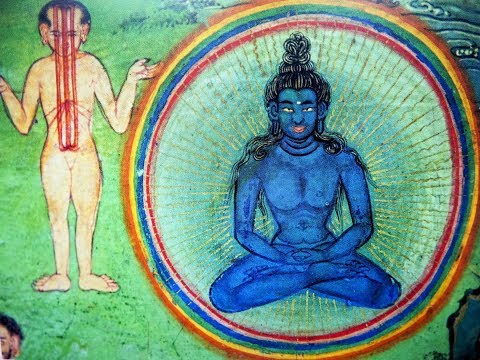
The remaining material covers what the yogis practiced and what has become of it. The film describes tummo, a heat-generating practice said to let advanced practitioners sit in icy lakes and steam their robes dry. It also offers the image of the untrained mind as a raging elephant, tamed by mantra and by emptying conceptual thought. The narrator frames this as a "science of the mind" parallel to Western physical science, and says Western brain research is only now affirming it, a claim the film does not substantiate here. Its most openly normative point is that the yogis' greatest achievement was keeping compassion) toward their persecutors. It closes on the open question of whether the teachings can take root among comfortable, 24-hour Western societies, where centers now stretch from Chile to Canada and the Baltics.
This documentary argues that Tibetan Buddhist yogis have developed sophisticated mental and physical training practices that cultivate profound psychological transformation and compassion, and that this ancient tradition faces extinction due to Chinese occupation but is now spreading to the West as a potential path for modern societies seeking meaning beyond material comfort.
- Yogis achieved documented control over mind and body through meditation retreats and specialized practices like tummo, demonstrating capacities now being validated by Western neuroscience
- Chinese occupation destroyed 95% of monasteries and killed over one million Tibetans, effectively severing the continuous lineages and cultural infrastructure that produced master yogis for centuries
- Diaspora yogis now teaching in the West face the challenge of whether their teachings can take root in materially comfortable societies without the existential suffering that historically motivated practice
This asset isn't compiled yet
You're seeing its claims, ranked. Compile it to build the argument threads, weight them, and check each claim against your library — the full view.
A Tibetan yogi-in-exile describes experiencing the Cultural Revolution and class purges, in which anyone with name, fame, or prosperity was brutally suppressed—beaten, having their hair plucked and ears chopped off—while those without such status were rationed land, then later accused of being part of the class system when their circumstances improved, creating a deliberate system of terror.
“after his holiness the dalai lama departed for india then the class struggled and purged started and all those who had name fame or prosperity were purged they were beaten up their hair plucked their ears chopped off and i thought to myself when we talk in terms of hell this must be the real hell then those who did not have either name fame or prosperity they were rationed a certain amount of land then a couple years down the road the chinese would turn around and say where did you get all these you must be part of the class system there was a lot of pain and suffering”
Tummo is a yogic practice that generates body heat through visualization and breathing techniques, enabling advanced practitioners to immerse themselves in icy lakes and produce visible steam from their robes within 15 minutes
“one such practice tumor was developed for generating body heat in the icy caves of tibet yogis who have mastered tumo are capable of immersing themselves in icy lakes and 15 minutes later producing visible steam rising from their robes”
Revealing yogic techniques and traditions to someone who has not completed yogic training was once considered a violation of yogic vows due to extreme secrecy
“telling stories such as these indeed revealing any technique tradition or experience to someone who has not completed yogic trading was once a violation of yogic vows to extreme secrecy”
Over a million Tibetans lost their lives during Chinese occupation, representing approximately one-fifth of the total population
“over a million tibetans lost their lives a fifth of the population”
All but a few of the six thousand monasteries were destroyed, with their libraries burned and artwork mocked during the Chinese occupation
“all but a few of the six thousand monasteries were destroyed bonfires made of their libraries mockery made of their artwork and icons”
In a two-year escape journey from Tibet to India, one group of approximately 3,000 Tibetans was reduced to only about 500 survivors, with many killed by Chinese, many dying from hardship, some returning to Tibet, facing multiple days without food and nine Chinese defensive confrontations, with one refugee's father being caught by Chinese during the escape
“when i left my homeland there were about 3 000 in my group when we reached india there were only about 500 left many were killed on the way by the chinese many died because of hardship in the journey and many went back to tibet many days we had to go without food and also many people got hurt...we had to defend ourselves against the chinese nine times on the way the fourth time my father was caught by the chinese”
Buddhism was introduced to Tibet in the 8th century by the Indian master Padmasambhava, who synthesized Buddhist teachings with existing Bon religious practices by reframing Bon deities as guardians and symbols of Buddhist teaching rather than rejecting them outright
“the king who had finally united them as a people wished to unite them in faith as well he invited a charismatic leader from india padmasambhava to bring buddhism to his land tibetans had believed in a host of deities both benevolent and wrathful overcoming sabotage from the leaders of this religion known as bomb was the challenge padma sambhava succeeded by blending these beliefs with the teachings of the dharma or buddhist scriptures instead of casting the deities out he creatively recast them as guardians and symbols of the buddha's teaching”
Tibetan nomadic inhabitants developed acute physiological adaptations to extreme high altitude, where natural hazards like hailstorms could destroy seasons of work and scatter herds in seconds
“at 15 000 feet their eyes could literally dry up from the brittle intensity of the sun a sudden hailstorm could destroy a season's work or scatter herds in seconds”
The Chinese occupation of Tibet was driven by Mao Zedong invoking past diplomatic ties between Tibet and various Chinese imperial monarchies as a pretext for claiming Tibet's strategic location, rich geologic resources, and the headwaters of key Asian rivers
“the communist revolution swept china and with it came a surge of interest in controlling the land of tibet invoking past diplomatic ties between tibet and imperial china's various monarchies mao zedong used these as a thin pretext for claiming tibet's strategic location rich geologic resources and the headwaters of key asian rivers”
Mao Zedong announced that Tibet would be returned to the motherland while vowing to fill the region with 60 million Chinese within 10 years, with this representing a claim of administrative integration combined with demographic transformation
“in 1949 he announced that tibet would be returned to the motherland vowing to fill the region with 60 million chinese within 10 years”
The Dalai Lama escaped Tibet in disguise, crossed mountains, and was given refuge in India, where he established a government in exile in Dharamsala
“in a dramatic escape the dalai lama was taken out of tibet under disguise across the mountains to india where he was given refuge and established a government in exile in dharamsala”
Tenzin Gyatso was identified as the Dalai Lama as a boy on a Tibetan farm, managed to complete rigorous studies despite the invasion, and was placed in charge as a young teen by Tibetans hoping he could reclaim their country
“the dalai lama through all this was tenzin gyatso identified as a boy on a tibetan farm remarkably he was able to complete his rigorous studies despite the invasion and tibetans placed him in charge as a young teen hoping he could reclaim their country”
Chinese occupation of Tibet involved army invasions of villages and monasteries, with initial opposition to religion growing into an increasingly brutal campaign to replace Tibetan practices and people with Chinese ones
“under the guise of liberating the tibetans from an archaic way of life the army of the people's republic began invading villages and monasteries attentions of their initial occupation and opposition to religion grew into an increasingly brutal campaign to replace tibetan practices in people with their own”
Monasteries in Tibet accumulated over 6000 institutions at their height, with one in every six Tibetans becoming part of monastic life, making monasteries the centers of knowledge production, publishing, and the primary institutions linking generations through discipleship lineages
“at the height of tibetan civilization the monasteries numbered over 6 000 with one in every six tibetans becoming part of monastic life study began in the earliest years earning the equivalent of a doctoral degree could demand 20 years or more monks became the keepers of knowledge for all tibetan society and the thread linking all generations was a tradition of discipleship”
Each yogi lineage (nidiage) bears a unique name and approach with roots stretching back to Tibet's first master yogis, with the Naropa lineage being particularly renowned for producing highly advanced yogis
“within each order of monks the detailed lineages of yogis their students and their techniques are recorded with great care each nidiage bears a unique name and approach with roots stretching back to tibet's first master yogi naropa has long been renowned for producing highly advanced yogis”
In contemporary times, Tibetan Buddhism is developing in the West with centers established from South America (Chile) to North America (Canada) and Baltic countries, representing unprecedented geographic expansion of the tradition
“now the buddhism is developing west so we have a centers from south america from chile to north america to canada and we also have baltic countries two we in central asia or maybe 40 centers modern”
One Tibetan Buddhist practitioner left his retreat under instruction from the Dalai Lama to teach others, and subsequently visited many countries and taught countless people as predicted by the Dalai Lama
“one day his holiness dalai lama called me down and said well this is time now it is time for you to actually come out of retreat and now your time has come to benefit all beings listening to that advice i ended my retreat and from that day onwards to this day i have visited so many countries and i have taught so many countless number of people and it was absolutely as his holiness said i benefited so many people”
For Tibetan yogis, attaining enlightenment through meditation retreats could last for years, and centuries of reverence was given to these practitioners whose pursuit of enlightenment was supported by monasteries providing food, clothing, and currency
“for the aspiring yogi attaining enlightenment meant gaining an earthly preview of the bliss of nirvana through intensive mental and physical exercises in remote caves or hearts their goal was to rise above the suffering of samsara or physical life and discover the purest nature of consciousness in their quest meditation retreats could last for years for centuries tibetans revered these yogis as the most mystical people in their society they supported their pursuit of enlightenment by providing the monasteries with food clothing and currency”
Will Tibetan Buddhism thrive in its new soil (the West)? Can people who do not experience daily hardships of native Tibetans—westerners enveloped in material comfort—ever fully embrace a philosophy based on escaping earthly suffering? Has material success left a big enough void to drive the Western mind inward for solace? For those seeking to follow the Tibetan elders, the human environment is drastically different; they strive to train their minds, sustain intensive meditation, and maintain discipline and compassion not in sheltered enclaves but while living and working in the frenetic grip of 24-hour society.
“will tibetan buddhism thrive in its new soil can people who do not experience the daily hardships of the native tibetans westerners who lived enveloped in material comfort ever fully embrace a philosophy based on escaping earthly suffering or has material success left a big enough void of its own to drive the western mind inward for solace even for those who seek to follow the example of the tibetan elders the human environment is drastically different they are striving to train their minds sustain intensive meditation and maintain discipline compassion for their fellow humans not in sheltered enclaves but why i'm living and working in the frenetic grip of a 24-hour society”
Yogic techniques for emotional transformation are only now being recognized and affirmed by Western study of the brain and body, suggesting convergence between traditional yogic knowledge and contemporary neuroscience
“the techniques they develop to achieve these results are only now being recognized and affirmed by western study of the brain and body”
His Holiness the Dalai Lama requested Druang Rinpoche to live longer to help pass on and preserve Tibetan teachings, and Druang Rinpoche agreed to do so and decided to live until age 100 to help his people
“although it is known that druang rinpoche did cut his hair in preparation for death his holiness the dalai lama asked him to live a little longer to help pass on and preserve tibetan teachings it is said that his eminence agreed to do so and has decided to live until the age of 100 to help his people”
While the most advanced thinkers in the West developed physical sciences to improve the outward state of humanity, yogis developed a science of the mind to improve the inward state of humanity, with techniques for transforming thought patterns and action patterns by conquering anger, aggression, greed, pride, and jealousy
“while the most advanced thinkers in the west developed the physical sciences to improve the outward state of humanity the yogis developed a science of the mind to improve the inward state of humanity improving the emotional and moral response of the mind was their lofty goal to transform patterns of thinking and alter patterns of acting by conquering anger aggression greed pride jealousy even subdue states of physical discomfort”
The untrained mind is fundamentally like a raging elephant out of control, and yogic practice involves systematically taming it through specific tools including mantra repetition and exercises to empty conceptual thought
“the untrained mind is like a raging elephant out of control the yogi's initial task is to slowly put reins on the leaping erratic thoughts of the mind by using specific tools the repetition of core beliefs in mantras and exercises to empty the mind of conceptual thought”
A lineage teacher distinguishes between academic knowledge (becoming a teacher who teaches terms) and practitioners who have received blessings from a lineage: practitioners with blessings have certain power to help benefit other people that cannot be gained through academic study alone, and a person who has not attended academic school but whose practice has opened his wisdom can know how other people need to benefit.
“i think practitioner how to say you benefit your mind the academy is just knowledge maybe you become a teacher you teach in the terms and this this is one thing but the practitioner you have received you some blessings and you if you don't have this blessing in this lineage you cannot have certain power to help benefit other people and also someone who not go to the academic school but his practice he certainly opened his wisdom and he also know other people how they need to benefit he will know what is it”
The most impressive accomplishment of Tibetan yogis is maintaining compassion and peace through a half-century of persecution, demonstrating the hardest practice of loving one's enemies and praying for persecutors in conditions far more extreme than those typically faced in the West
“beyond feats of mental physical or even supernatural control perhaps the most impressive accomplishment of the tibetan yogis is maintaining a stance of compassion and peace through a half century of persecution”
One yogi reports being able to remember all his former lives from early childhood, able to name his former sister when only three years old, but chooses not to discuss this ability publicly due to concern that people would not believe him
“at the age of three i was able to tell my previous lives i was able to name my former sister but now suppose i told you that i can remember all my former lives is anyone going to believe me therefore just let's say that i was able to remember when i was a little boy”
Drubang Rinpoche states that he has pledged not to mislead people, noting that if he told many tall tales about what happens inside meditation caves, that would violate his pledge, and past masters including Tilopa categorically never revealed the secrets of meditation; he and those following in their footsteps must do the same.
“i have pledged not to mislead people now if i told you a whole lot of tall tales that will amount to misleading the audience i have absolutely nothing whatsoever and i have nothing to tell you this is the first time i've been asked to tell about these things we are not supposed to reveal the ins and outs of what goes on inside a meditation cave if we do then there will be consequences the past masters including tilopa have categorically said there was never an instance where he revealed the secrets of meditation we who follow in their footsteps must do the same”
A younger Tibetan in exile explains that despite material prosperity and access to technology, people find changing these external things (name, dress, food) does not bring true happiness, and the only way to be happy is to believe that one's own mind has capacity for happiness and possesses happiness all the time—if one fails to notice this, one expects external materials to make one happy, creating perpetual disappointment.
“in our life we do many different things we are in different professions but we all have a single goal and that is to be happy and the only way to be happy is is to believe in one's own mind that it can be happy that it has happiness all the time and that is very important to know that is very important to notice if we fail to notice that then we start to expect external materials to make us happy in our life we change different things in the hope of being happy we change our name we change our dress we change our food we change everything but we realize every time that this change has never brought the true happiness so the only way to stop all this game is realizing the nature of mind which is a buddha and which is content and fulfilled and satisfied from the beginning”
Even if the tradition of the yogis and other outward expressions of Tibetan Buddhism die out completely, the teachings of the Buddha will survive—suggesting that the philosophical core can persist even if institutional and cultural forms are lost.
“the devotees of the dharma hold but even if the tradition of the yogis and other outward expressions of tibetan buddhism die out completely the teachings of the buddha will survive”
Highly realized yogis are able to control the process of their own death and reincarnation, with His Holiness the Dalai Lama explicitly stating that if Chinese communists are still governing Tibet at the time of his death, he will choose rebirth outside of Tibet
“even his holiness the dalai lama has stated that if the chinese communists are still governing tibet at the time of his death he will choose rebirth outside of tibet”
Drubang Rinpoche claims that when meditating, he can see all his former lives—that he has been born in the realm of health, born as a hungry ghost, and born many times as animals—and that these experiences become very clear in meditation and deep absorption states where he goes through the three lower realms of existence many times.
“when i meditate i can see all my former lives i've been born in the realm of health i've been born as a hungry ghost i have been born many times as animals all these things become very very clear when one is in meditation i've gone through the three lower realms of existence many times in my meditative absorption”
One advanced practitioner has meditated so extensively that he has lost track of the exact number of years spent meditating, experiencing a mental state so altered that his focus on mundane things is inconsistent
“now i have meditated for a very very long time it is very difficult for me to exactly reflect back and count the years that i had meditated the reason for this is because although i do appear like a human person outwardly my mental state is so different different in the sense that my focus on mundane things is not consistent”
A Tibetan yogi spent nearly 20 years in Chinese prison, surviving by making conscious effort to sit upright and meditate during mandatory sleep hours on Sundays, pretending to sleep while quietly reciting mantras in his mind as a form of spiritual resistance.
“suffering in chinese prison for nearly 20 years in the prison instead of going to sleep i would make a conscious effort to sit up and meditate on sundays it was mandatory for everyone to sleep and keep quiet and i would pretend that i was sleeping but in my mind i would meditate and quietly recite the mantras”
Trul khor is a yogic practice that opens the wind channels (pathways of energy associated with breathing), improves breathing functions, helps the body release toxins, and clears the mind
“one such practice troll core was developed for opening the wind channels of the body the pathways of energy associated with breathing through the practice of true core the yogi is able to improve breathing functions help the body release toxins and clear the mind”
According to Buddhist causality teachings (karma), practitioners who believe in cause and effect can maintain happiness despite persecution, because they understand that whatever suffering befalls an individual results from past karma and is therefore appropriate consequence rather than unjust victimization
“as a practitioner who believes in the cause and effect i'm a very very happy person i have no grudge against anybody i have no grudge against the chinese people or the chinese government whatever be fell on an individual it was because of his past karma”
Teaching patience is facilitated by having one's worst enemies serve as greatest teachers, with a practical example being a neighbor's child as a source of patience practice
“teaches patients a lot like your worst enemies are your greatest teachers because they teach you patience they teach you definite patience and during school and when i'm at home like i have a two-year-old little next door neighbor and he just gets on my nerves all the time and so it's like it gives me a lot of patience to practice”
Receiving teachings from yogis and putting them into practice in one's own life is the only way to preserve the lineage of Tibetan yogis, and this is the most important thing to do
“if we could receive those teachings from from the yogis and put them into practice in our own lives that is the way to save that is the only way to save the lineage of the tibetan yogis and that's the most important thing to to do”
Buddhist beliefs infused Tibetan social systems and aristocracy with benevolence, non-violence, and compassion toward one another and outsiders, becoming the new standard replacing previous violence-based systems
“the beliefs profoundly changed the tibetan sense of morality the social system and aristocracy of their past remained but the new beliefs infused that system with a new benevolence non-violence and compassion toward one another and outsiders was the new standard”
Western observers looking at Tibetan lamas and realized masters experience a sense of seeing 'some kind of inner peace' in them, suggesting that direct contact with enlightened beings can communicate wisdom non-verbally through presence.
“just looking at our llamas that we have like his holiness the dalai lama and many wonderful western llamas when you look at them you you get some true feeling that that they really have some kind of inner peace”
According to Buddhist teachings, one should not blame the Chinese people for persecution but rather blame their policy or their communist culture, as the culture is at fault rather than the people themselves
“i don't blame the people of china i blame their policy or their culture because it's a communist culture the culture is at fault not the people”
One yogi practitioner began formal retreat at age nine with one-month retreats, initially experiencing difficulty focusing due to the desire to leave, but found that continued practice with maturation leads to natural subsiding of desire, anger, and attachment
“i started my retreat when i was nine years old during that time i went on a one month long retreat at first it was very difficult for me you know i was a little boy i would count the days on my fingers...but when you become more seasoned and more mature in your meditation and learning things will change why i like about the retreat is when you go to retreat and many weeks or many months being alone is very different it will all subside our desire anger attachment”
Tibetan yogis are distinguished from Hindu yogis by pursuing mental rather than physical achievements, seeking to experience enlightenment through internal mental and physical exercises in remote locations rather than performing public physical demonstrations
“unlike the hindu yogi performing contortions for the public the achievements of the tibetan yogi were achievements of the mind unseen by others the tibetan yogi was a monk or may person who having studied the teachings of the buddha as a scholar wanted to actually experience their promise within his own mind a state of existence called enlightenment”
One younger practitioner born after Chinese occupation expresses sadness and upset toward the Chinese due to their ruthless destruction of monasteries and harm to Tibetan families, while acknowledging that this emotional response may indicate insufficient practice strength and suggesting the response may diminish with continued development
“i was born after the chinese operation in tibet i am upset with them and i am sad because the chinese have been very ruthless to tibetan people and my family you name it they have done it at the same time they have destroyed so many monasteries in tibet maybe it is because i am still young and my practice is not strong enough yet maybe this is why i am upset with the chinese”
Unlike more ascetic forms of Buddhism, Tibetan Buddhism incorporated the arts and sciences as tools toward understanding the infinite, including music, art, astronomy, philosophy, and medicine as subjects taught at monasteries
“unlike the more ascetic forms of buddhism the tibetan version embraced the arts and sciences as tools toward understanding the infinite drama music art astronomy philosophy and medicine were all taught at the monasteries”
Modern society presents with superficial influences and distractions, leading people to search for meaning; material goods, technology, and food abundance do not ultimately fulfill inner questions or achieve ultimate goals, creating conditions for people to turn to spirituality
“the general society now has um so many influences which are rather superficial in nature and even though we theoretically have a lot of extra time more and more i think people are finding that the different distractions and things that they do are not particularly meaningful to them and so they're searching for something else to give their life meaning...people find out that having material having technology is really not answer your inner question and not fulfill ultimate goal and therefore they have some this kind of spirituality”
The loss of Tibetan yogis represents loss of people who can connect Westerners with their own enlightened nature; at the same time, realized masters coming to other countries can teach people who would not otherwise have encountered Buddhism, creating an opportunity to preserve the lineage through Western practice
“i think it's very bad it's very sad that we're losing yogis and we're losing someone who can connect us with our own enlightened nature and from other point those realized masters that comes here and comes to other countries can teach other people and it was not possible before and even there are so many people who even would not think about buddhism until they would meet realized master”
The filming and sharing of yogic techniques may lead to abuses as self-styled lamas and bogus practitioners exploit Western interest in Tibetan Buddhism and mislead people
“their questions remain will the filming and sharing of techniques lead to abuses will self-styled llamas and bogus practitioners exploit western interest in tibetan buddhism and mislead people”
Buddhist belief in reincarnation in lower realms of existence or higher human birth as consequence of moral choices represents a powerful motivational structure for behavioral regulation, as people believe their current actions determine their next incarnation
“they came to embrace the buddhist view of life as a continual stream of death and reincarnation a cycle in which human birth represents a precious opportunity to make the moral choices that will determine one's destiny in the next life reincarnation in a lower realm of existence into another human life or ultimately into nirvana”
The complete cultural environment that produced Tibetan yogis no longer exists due to loss of unbroken lineages, vast stretches of uninterrupted time for isolation retreats, and loss of devoted support from Tibetan civilization, making the tradition of yogis near extinction
“despite the presence of monasteries and monks in exile the complete cultural environment that produced the mind masters of the past no longer exists without the unbroken lineages of yoga teaching yogi without the vast stretches of time to spend years in isolated retreat free from earthly distractions and mostly without the devoted support of the ancient tibetan civilization the tradition of the yogis is nearing extinction”
The early Tibetan history was marked by fierce wars among tribes and outsiders, with life expectancy being brief, creating an acute sense of impermanence and suffering that directly motivated Tibetans to look inward for permanence and peace rather than seeking external security.
“their early history was marked by fierce wars among tribes and outsiders life expectancy was brief they were a people with an acute sense of life's impermanence and suffering it is not hard to understand why the tibetans whose outward conditions were so severe and changeable came to look inward for a sense of permanence and peace”
A yogi teaching tummo explains that the teaching is strict and not freely dispensed to whoever wishes to receive it; however, given the different modern environment and time, backed by loving kindness and compassion, they are now showing tummo, and they do not view this as a violation of yogic vows—tummo is described as a practice that brings about bliss and happiness both psychological and physical.
“is a teaching that is strict and not one that is freely dispensed to whoever wishes to receive it however our environment and the time are very different now so backed by loving kindness and compassion i am now showing it and to me it's not a violation of our yogic vows tomo is a practice that will bring about bliss and happiness psychological as well as physical”
A yogi is defined as a person with profound experiential understanding of the true nature of all phenomena—a practitioner who does extensive retreats and has gained experiential understanding of the Buddhist teachings, requiring not only ordination but significant retreat practice.
“is a person who has a profound experiential understanding of the true nature of all phenomena is the practitioner who does extensive retreats and one who has gained exponential understanding of the teachings so it would have to be someone who has not only received ordination but someone who has done extensive retreats”
The 14th Dalai Lama articulates that human nature drives abuse of power—when one gets all power, eventually power spoils or destroys one's own virtues and good qualities—and identifies totalitarian/communist/dictatorial government systems as structurally producing the systematic abuses being perpetrated against Tibet, calling instead for democratic China with open society, freedom of religious belief, freedom of speech, freedom of thought, and freedom of information.
“i think by the firstly has quite a human nature when someone you see who have who who get all power then eventually power spoil or destroy one's own for good versatility good quality then secondly i think unfortunately the totalitarian regimes the communist sort of society or government system is there you see dictatorship actually i think what say legalized so once you see this certain sort of structure you see created that way then then this this system or the structure itself which is sometimes i think see help you see to to produce that kind of issue the person now i think the democratic china china with open society freedom of religious belief freedom of speech freedom of thought freedom of information i think that is the not only interest of the world community but chinese people themselves”
The greatest challenge for aspiring yogis in meditation is preventing the mind from wandering everywhere, which is precisely why centuries of yogic tradition has retreated practitioners to remote places to avoid distraction while training their minds, as maintaining single-pointed concentration against the untrained mind's natural tendency to scatter is the core difficulty.
“the mind from going everywhere is precisely the challenge in meditation and for centuries aspiring yogis have retreated to remote places to avoid distraction while training their minds”
Highly realized yogis are attributed with the ability to alter natural disasters and environmental conditions, with examples including changing weather patterns, producing extreme poor visibility, and causing hail to prevent Chinese soldiers from reaching monasteries
“the highly realized yogis can of course alter situations there are many instances where the highly realized beings altered natural disasters one example is where chinese soldiers came to cause harm to a monastery or its inhabitants all of a sudden the change of weather extreme poor visibility the falling of hail making it absolutely impossible for these people to come to their destination”
One yogi practitioner reported that as a boy making prostrations and prayers at a sacred meditation cave of Guru Padmasambhava, after requesting a sign, a rainbow instantly appeared, and when looking at his foot in response to a nun's warning, he found it sinking into solid rock, leaving a footprint
“i offered three prosecutions and said please show me some sign so that my devotions will further become stronger and instantly there appeared a rainbow at the mouth of the meditation cave...the nun said to me watch your foot it is sinking in the stone and i had to look and there was my foot making an imprint in solid rock”
Highly realized yogis who pass away maintain an unusual physical appearance after death, with skin remaining smooth and elastic rather than degrading, and with continued heat and light at the heart center, indicating continued meditative absorption even after bodily death
“the most of the people die after diet you can change your face the yellow pair you know and when you do the pinching your skin also they will there but real practicing who has met when the passing and the meditation states he really did do they continue their stay they pinching here is also like now and immediately going like this and also they have a little bit the heat and warm and heart center also the face is like the lab light and very unusual”
One teacher, Ken Gore Ripoche, announced in advance that he would pass away at a specific moment without any illness or signs of death, remained functional conducting prayers, and then at the announced time lay down with his right hand under his cheek and passed away as if falling asleep
“my teacher kim karim he invited all the students he told he's going to pass away no illness nothing nothing sign of death nothing he should normally get up do his prayer and he told his attendant to make a good tea...when i get to the the completions that he says this is the time for me to pass away and just like just like falling asleep like a buddha no just he he put his right hand under his cheeks and then lie down and look at each person no he's doing prayer for each person to benefit in the future then he passed away”
Daily practice involves reflecting on mistakes and positive actions from the previous day, identifying two actions done poorly and two done well, then committing to fixing poor actions and repeating good actions in the next day
“there's a part that you should do every night like you think of two things that you did bad in that day and try to fix them the next day and then you think of two things that you did good that day and you try to do them the next day as well”
A yogi or yogini is defined as one who enters the dharma (Buddhist teachings) and after that does practice focused on mind training—to make the mind always at ease and always at peace—and the dharma remains within the yogi who follows the dharma; if you really live the dharma, nothing can harm you, even though your physical life can be taken, the next life cannot be taken.
“means one who enters into the dharma or buddhist teachings and after that one who does the practice which is about the mind training the mind to be always at ease always at peace that is the definition of a yogi dharma leaves within the yogi yogi follow the dharma if you really live on the dharma nothing can harm you even though they can be taken this life but they cannot take next life”
According to the documentary, Druang Rinpoche cut his hair in preparation for death, with this being recognized as a significant signal, though when questioned directly he displayed elusiveness and provided alternative explanations about hair being old and heavy
“when his eminence drew on rimpoche was asked about the cutting of his hair a practice known to signify that a yogi is preparing to die he displayed the stubborn elusiveness of a yogi under strict vow...there are many reasons why a person enriched would grow hair let me think about it yeah there are many reasons why one would grow once hair long let's just forget about it shall we”
A Buddhist teaching center in Arizona includes retreat huts, temples, and teaching rooms built where adobe dwellings of Native Americans previously stood, representing a new layer of religious usage on historically significant land
“arizona has become home to one such center a growing facility with tibetan yogi garcian rinpoche guides the teachings now where the adobe dwellings of native americans once stood clusters of retreat huts temples and teaching rooms hug the rugged terrain of the chino valley”
When one's physical body is dismantled in meditation, there is no question of death or discarding one's physical body because the transformed mental state renders physical death conceptually irrelevant
“when one's body is already dismantled in one's meditation there's no question of death or discarding one's physical body”
A trul khor teacher explains that the practice takes at least two years to learn thoroughly, and even after learning it must be practiced continuously—the teacher practices two hours every day (except when traveling)—and cautions that it is a very secret practice, so viewers must be advised not to imitate it because there is danger to health and well-being if practiced without proper teacher guidance beginning to end.
“in order to learn this thoroughly it takes at least two years but then you cannot leave it at that you must do the practice all the time unless i'm traveling i do the exercise two hours every day and now i have one request this is a very secret practice so i must ask you to advise the viewer to not try to imitate me if they do there is a danger for their health and well-being because this is so secret we must learn it from a particular teacher who can give the teaching from the beginning to the end thoroughly”
Human society requires love and compassion as the only way to bring peace and happiness, presenting this as a foundational principle for social organization
“human society that's love and compassion is the only way to bring peace and happiness”
The Naropa lineage has been running continuously without breakage or adulteration from the founder of the lineage to the present day, maintaining unbroken transmission of teachings and blessings from master to student
“has been running continuously without any kind of breakage in between or any kind of adulteration that is starting from the founder of the lineage right down to this present day”
As an antidote to conquering strong negative emotions, practitioners resort to the seven-fold Vajra Posture meditation, which involves specific wind-energy mechanisms: different postures direct different wind energies into the central nerve channel to eliminate specific negative emotions—for example, lowering shoulders opens a wind eliminating ignorance; bending neck downward directs fire-related wind eliminating desire; lowering eye gaze eliminates egocentric pride through space-related wind; sitting cross-legged with single-pointed concentration eliminates jealousy through water-related wind.
“as an antidote to conquering very strong negative emotions we would resort to doing the seven-fold vera chana posture meditation there are different wind energies inside a human person in one posture the wind which enables us to excrete waste enters into the central nerve channel eliminating some of the negative emotions when you broaden your shoulders and sit upright the nerve or vein related winds enter and get rid of ignorance when your neck is slightly bent downwards at an angle and you touch the tip of your tongue on the palate then fire related wind enters and anticipates desire when you lower your eye a bit so you almost see the tip of your nose the space-related wound enters and gets rid of egocentric pride when you sit cross-legged and remain in single pointed concentration then water-related wind enters and helps get rid of jealousy”
Newer generations of Tibetans raised exclusively in exile and immersed in contemporary culture are showing less discipline and compassion than their elders, with evidence of cultural erosion appearing in the form of demonstrations and violent protests becoming increasingly common in refugee towns, with some younger Tibetans beginning to question the pacifist approach of their leader.
“are newer generations of tibetans raised exclusively in exile immersed in contemporary culture displaying the discipline and compassion of their elders evidence of cultural erosion is appearing among younger tibetans in exile demonstrations and violent protests are becoming increasingly common in refugee towns some are beginning to question the pacifist approach of their leader even so the spirit of their native culture remains strong and some still aspire to the example of past masters”
Over centuries, Tibetan spiritual and state leadership converged, leading to the tradition of identifying those believed to be reincarnations of Avalokiteshvara (the Buddha of Compassion), with one identified as the Dalai Lama (literally 'ocean teacher,' implying depth and breadth of wisdom) taking his place as temporal leader of Tibet, with the Potala monastery becoming the symbolic seat of this mystical government overlooking the capital Lhasa.
“over the course of centuries spiritual and state leadership converged tibetans began a tradition of identifying those among them believed to be reincarnations of the buddha of compassion among them one would be named literally ocean teacher implying depth and breadth of wisdom eventually the one identified as the reincarnation of his holiness the dalai lama would take his place as temporal leader of tibet the symbolic seat of this mystical government became the patana a majestic monastery mooming over the legendary capital city of nasa”
Tibetans integrated Buddhist beliefs into daily ritual through accumulating merit and purging past negative actions via pilgrimages involving thousands of prostrations, inscribing prayers on flags to flutter in the wind, and constantly spinning prayer wheels as symbols of good will toward all beings, embedding spiritual practice into the fabric of ordinary life.
“accumulating merit and purging past negative actions to ensure a good rebirth became part of daily ritual pilgrimages to sacred places came to include thousands of prostrations a symbolic laying down of individual ego prayers were inscribed on flags and strung in long lines to flutter over homes and temples their message of hope for the liberation of all earthly beings to be carried on the wind across the world reciting prayers was accompanied by the constant spinning of prayer wheels a symbol of good will and loving kindness spinning outward toward all beings life literally revolved around their”
A retreat master explains that the job of a retreat master is to guide all those on retreat by providing commentary on the teachings specific to that retreat, directing how many sessions a retreat person must do in a day, what kind of visualization and meditation methods to use, how to do mental recitation, and what the graduated paths are for the particular practice.
“the dispensation of dharma teaching is like the sun's race it is for everyone to enjoy the job of a retreat master is to guide all of those who are on retreat giving commentary on the teachings relating to the particular retreat that one is on how many sessions a retreat person has to do in the course of a day what kind of visualization what method of meditation how one should do the mental recitation what are the graduated paths to this particular practice so these are the kinds of things a retreat master will guide those who are on retreat”